BEYOND SAN FRANCISCO

Historic Center & Quito

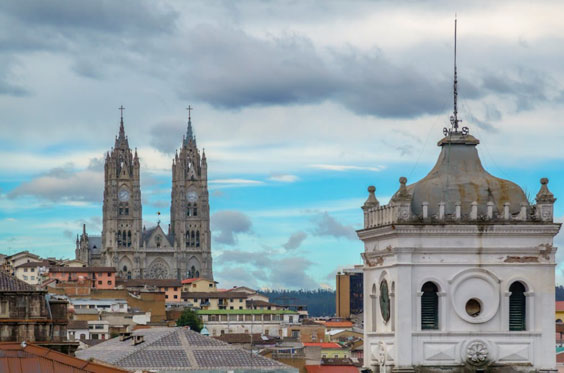
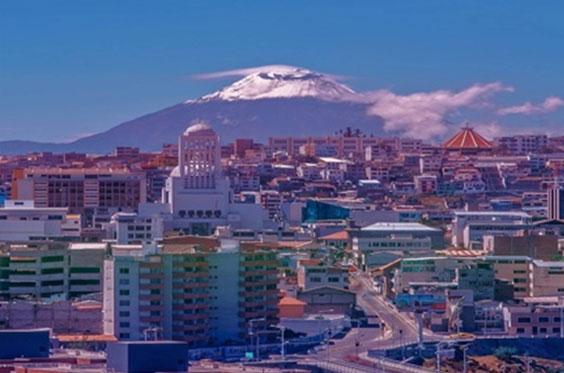
A World Cultural Heritage Site, its value lies in the fusion of colonial Baroque art and architecture with indigenous traditions, as well as its museums and churches—renowned for their architecture and the art of the “Quito School.”

Highlights include La Compañía de Jesús (adorned with gold leaf), the San Francisco Convent, Guápulo, and the Basilica del Voto Nacional—a Neo-Gothic temple offering breathtaking views of the city and the Pichincha volcano. A cable car provides access to the slopes of the Pichincha volcano (Cruz Loma), as well as El Panecillo and the Virgin of Quito statue. The city boasts a diverse culinary scene featuring typical Andean dishes, alongside a vibrant cultural life.

City of the Middle of the World

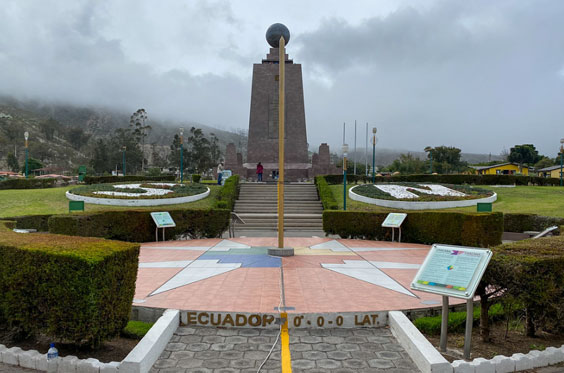
Located north of the capital city, Quito, it straddles the Equator—the zero-latitude line that divides the planet into the Northern and Southern Hemispheres. Featuring museums, cultural exhibitions, and interactive activities that explore themes related to geography, astronomy, and the cultures of Ecuador, the Intiñan Museum offers interactive experiments to demonstrate the Coriolis effect and observe the sun’s trajectory. It also provides a journey through the history, culture, and traditions of Ecuador’s indigenous peoples, with exhibits covering the country’s various regions. Pululahua Geobotanical Reserve.

Mindo

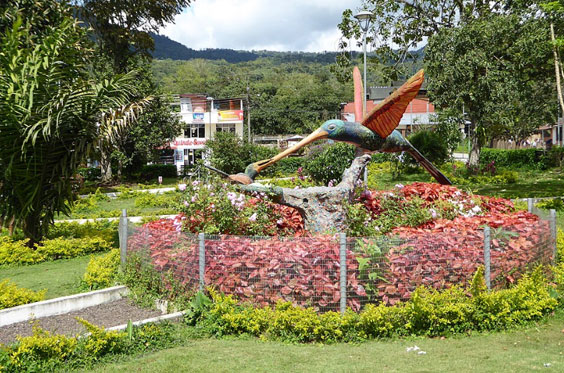
Located 61 miles (98 kilometers) northwest of Quito, this region is home to one of the most lush and biodiverse cloud and rainforests in the world, offering rich biodiversity, ecotourism, birdwatching, hiking, cacao and chocolate tours, butterfly gardens and orchidariums, cable car rides, rafting, and canopy tours over waterfalls. It serves as a key focal point within the Mindo-Nambillo Protected Forest Reserve and the Chocó Andino Biosphere Reserve.

The Route of the Volcanoes

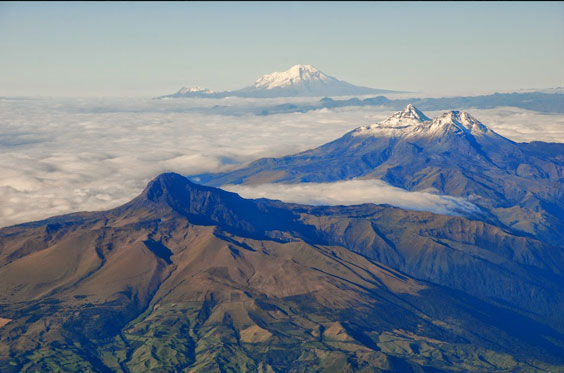
It is an impressive mountain range in Ecuador that stretches across the central part of the country. Its most prominent volcanoes—Cayambe, Antisana, Cotopaxi, Quilotoa, Tungurahua, and Chimborazo—attract tourists and mountaineers from around the world who come to explore the volcanoes themselves, the surrounding landscapes, and the rich ecosystems that adorn them.

Baños de Agua Santa

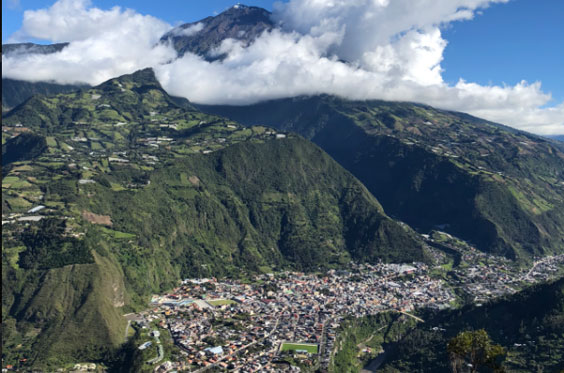
It stands out for its ecotourism and adventure offerings at the foot of the Tungurahua volcano, featuring hiking along the Route of the Waterfalls (including Pailón del Diablo, Manto de la Novia, and Agoyán), the “Swing at the End of the World,” thermal hot springs, mountain biking, scenic viewpoints, and Adventure Swings—such as the “Casa del Árbol” (Treehouse) and various lookout points (including Runtún and Manos de Dios). Nature-based adventures abound, including cycling, rafting, and canopy tours (ziplining), all designed to highlight the appreciation of the surrounding landscape. Gastronomy: the crafting of *melcochas* (pulled sugarcane candies), fresh sugarcane products, and *canelazos* (spiced sugarcane drinks).

Provincia Tungurahua

Atocha-La Liria Botanical Garden (Ambato): a historic natural space. Patate trout sport fishing. Pilahuín community tourism, Salasaca (textiles), Pelileo (jeans), Quisapincha (leather crafts), The Tungurahua Volcano World Geopark biodiversity and hiking and mountaineering routes. Tisaleo: ecotourism, agrotourism “capital of strawberries and blackberries”, Puñalica and the Pampas of Salasaca, ideal for hiking and sightings of paramo fauna and flora.